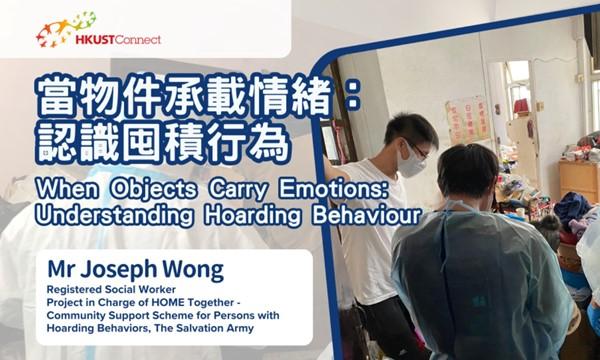
When Objects Carry Emotions: Understanding Hoarding Behaviour 當物件承載情緒:認識囤積行為
Supporting the below United Nations Sustainable Development Goals:支持以下聯合國可持續發展目標:支持以下联合国可持续发展目标:
[This is a talk in the Gear Up Training Series (GUTS)]
很多時候,物件承載的不僅是功能,還盛載着我們的情緒和記憶。你或許也試過在執屋時,面對一些早已不用的物件卻難以割捨;當東西愈積愈多,我們甚至會懷疑自己是否開始有點囤積的傾向。然而,即使明知環境已經變得混亂,也有人會因缺乏動力、難以作出決定,或不知道如何開始整理,而讓物件繼續堆積。同時,被物品包圍又可能帶來安全感和滿足感,甚至填補了心靈上的一些空缺。
囤積行為其實與情緒需要和精神健康密切相關。每一位出現囤積行為的人,都在用自己的方式回應孤獨、失落、壓力或缺乏陪伴,物件也因此成為情感的載體。
在今次講座中,救世軍「齊"掃"心事」計劃的社工將以不批判的角度,帶領大家從心理和情緒層面理解囤積現象,並思考如何以更健康的方式照顧內在需要。我們希望同學能夠多留意自己的內心世界,也能以更多同理心看待身邊對物件有情感依附的人和事。
Objects often hold more than practical value—they can carry our emotions and memories. You may have noticed this while tidying your room: some items are hard to part with, even if you no longer use them. Over time, things may accumulate not only because of emotional attachment, but sometimes simply because it feels difficult to make decisions or find the motivation to let them go.
Being surrounded by belongings can also bring a sense of comfort or security.
Hoarding behaviour is closely linked to emotional needs and mental well‑being. For many people, keeping objects is a way of coping with feelings such as loneliness, loss, stress, or a need for stability.
In this talk, a social worker from The Salvation Army will help you understand hoarding behavior without judgment. Together, you will explore how objects hold emotions and reflect on how you care for your own feelings. We hope students will pay more attention to their inner needs and treat others with empathy.
Speaker:王肇言先生 註冊社工 救世軍「齊“掃”心事」囤積行為人士社區支援計劃 計劃主任Mr Joseph Wong Register Social Worker Sign up here by 30 Mar 2026救世軍「齊“掃”心事」囤積行為人士社區支援計劃
計劃採用跨專業及跨界別介入手法為囤積行為人士提供全面支援,了解囤積行為背後的需要,幫助他們改善居住環境,從而重新連繫社區,重塑人與社會的連結,亦希望透過社交平台及公眾教育促進社會對囤積行為的理解。
The Salvation Army HOME Together - Community Support Scheme for Persons with Hoarding BehavioursThis Scheme provides comprehensive support for people with hoarding behaviour. With cross-professional and cross-sectoral intervention methods, the scheme helps unveil their hidden needs and helps them improve their living environment, thus connecting with the community. The Scheme also aims to facilitate a positive change in public understanding of hoarding behaviour through public education and social media.
Remarks:
- To avoid interruption and hindering the progress of the session, facilitators may not admit new participants who are late for more than 10 minutes.
- [HMAW1905] This is a recognized event in the “Self-directed Experience” component of HMAW1905: Behavioral Foundations of University Education: Habits, Mindsets, and Wellness. To receive 1 hour, you must attend the event in full and miss no more than 10 minutes.